


How Businesses Can Build a Strong Online Presence in 2026
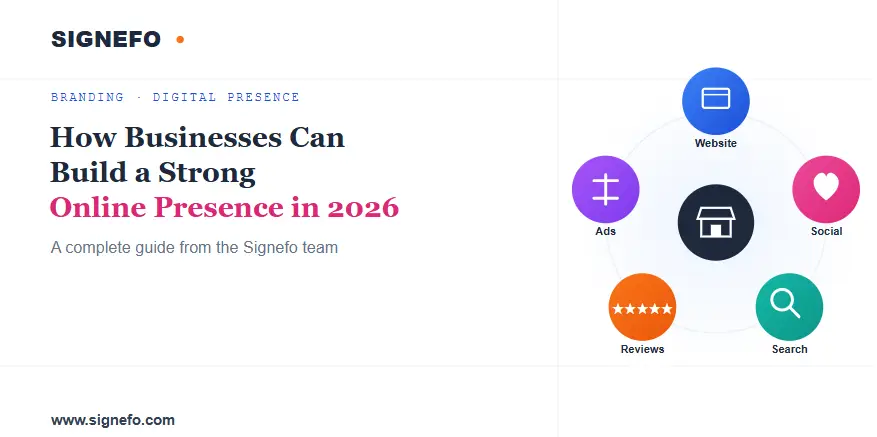
Having an online presence in 2026 is no longer optional it is essential for business success. Customers now discover brands through search engines, social media platforms, online reviews, and websites before making purchasing decisions. Whether you’re a startup, a growing business, or an established enterprise, your digital presence significantly influences credibility, customer trust, and revenue.
However, simply creating a website or social media page isn’t enough. Businesses need a comprehensive strategy that combines website performance, search engine optimization (SEO), content marketing, social engagement, digital advertising, and customer experience to remain competitive.
This guide explores the essential components of building a strong online presence in 2026 and how businesses can create a sustainable digital growth strategy.
Why Is an Online Presence Important?
Consumers expect businesses to be easily accessible online. Before contacting a company or making a purchase, they often search for information, compare competitors, read reviews, and evaluate the overall brand experience.
A strong online presence helps businesses:
- Increase brand awareness
- Reach new customers
- Build trust and credibility
- Generate qualified leads
- Improve customer engagement
- Drive online and offline sales
- Stay competitive in evolving markets
Businesses that invest in their digital presence are more likely to attract and retain customers over the long term.
- Build a Professional and User-Friendly Website
A website serves as the foundation of your online presence. It is often the first interaction potential customers have with your brand, making first impressions extremely important.
An effective business website should include:
- Responsive design for all devices
- Fast loading speed
- Simple navigation
- Clear calls to action
- Secure HTTPS connection
- Easy-to-find contact information
- High-quality visuals
- Well-structured service pages
A professionally developed website not only enhances user experience but also supports better search engine rankings and higher conversion rates.
- Prioritize Search Engine Optimization (SEO)
Even the best-designed website cannot generate business if people cannot find it.
SEO helps businesses improve their visibility on search engines by optimizing website content, technical performance, and overall user experience.
Key SEO practices include:
- Conducting keyword research
- Publishing valuable and original content
- Optimizing title tags and meta descriptions
- Improving website speed
- Creating internal links
- Earning quality backlinks
- Optimizing images
- Using structured data where appropriate
Businesses that consistently invest in SEO benefit from sustainable organic traffic and long-term online visibility.
- Create Valuable Content That Solves Customer Problems
Content remains one of the most effective ways to attract, educate, and engage potential customers.
Instead of creating promotional material, focus on answering common customer questions and providing useful information.
Examples include:
- Educational blogs
- Industry guides
- Case studies
- How-to articles
- Videos
- Infographics
- Frequently Asked Questions (FAQs)
Helpful content builds authority and encourages visitors to return to your website for reliable information.
- Establish a Consistent Brand Identity
Your brand identity should remain consistent across every digital platform.
This includes:
- Logo
- Color palette
- Typography
- Tone of voice
- Messaging
- Visual style
A consistent brand makes your business more recognizable and helps customers build trust over time.
- Leverage Social Media Effectively
Social media platforms allow businesses to connect directly with their audiences, share updates, and build relationships.
Rather than trying to be active everywhere, identify the platforms where your audience spends the most time.
Successful social media strategies often include:
- Educational posts
- Customer success stories
- Behind-the-scenes content
- Industry insights
- Interactive polls and questions
- Short-form videos
- Live sessions
Regular engagement strengthens customer relationships and improves brand awareness.
- Invest in Digital Advertising
Organic marketing is valuable, but it often takes time to produce results. Digital advertising complements organic efforts by helping businesses reach targeted audiences more quickly and generate measurable outcomes.
Advertising campaigns can support goals such as:
- Increasing website traffic
- Generating qualified leads
- Promoting new products or services
- Building brand awareness
- Driving online sales
- Re-engaging previous website visitors
Choosing the right advertising channels and planning campaigns strategically can significantly improve marketing performance. Businesses looking to understand different digital advertising solutions and campaign options can explore more resources here:
7. Focus on User Experience (UX)
User experience influences how visitors interact with your website and whether they decide to become customers.
Improving UX involves:
- Faster page loading
- Clear navigation
- Mobile responsiveness
- Readable content
- Accessible design
- Easy forms
- Intuitive layouts
Positive user experiences encourage visitors to stay longer, explore more pages, and complete desired actions.
8. Build Trust Through Online Reviews
Online reviews have become an important factor in customer decision-making.
Encourage satisfied customers to leave reviews on relevant platforms and respond professionally to both positive and negative feedback.
Strong reviews help:
- Increase credibility
- Improve local visibility
- Build customer confidence
- Strengthen brand reputation
Transparency and responsiveness often matter just as much as positive ratings.
- Monitor Website Performance
Regular performance monitoring allows businesses to identify opportunities for improvement.
Some important metrics include:
| Metric | Why It Matters |
| Website Traffic | Measures audience growth |
| Bounce Rate | Indicates user engagement |
| Conversion Rate | Tracks business outcomes |
| Average Session Duration | Shows content effectiveness |
| Organic Traffic | Measures SEO performance |
| Lead Generation | Evaluates marketing success |
Analyzing these insights enables businesses to make informed decisions and refine their digital strategies over time.
- Adapt to Emerging Digital Trends
The digital landscape continues to evolve rapidly. Businesses that stay informed and embrace new technologies are better positioned for long-term success.
Some important trends in 2026 include:
- Artificial intelligence for marketing automation
- Voice search optimization
- Personalized customer experiences
- Privacy-focused marketing
- Interactive content
- Video-first communication
- Omnichannel customer journeys
Remaining adaptable ensures businesses continue meeting customer expectations as technology evolves.
Common Mistakes That Limit Online Growth
Many businesses struggle to achieve strong online visibility because they overlook essential fundamentals.
Some common mistakes include:
- Using outdated website designs
- Publishing inconsistent content
- Ignoring SEO best practices
- Poor mobile optimization
- Slow website speed
- Neglecting analytics
- Failing to engage with customers on social media
- Running advertising campaigns without clear objectives
Addressing these issues can significantly improve overall digital performance.
In 2026 and beyond, businesses will need to focus on delivering seamless, customer-centric digital experiences. Success will depend on integrating website development, SEO, content marketing, social media, and digital advertising into a cohesive strategy.
Customers increasingly expect personalized interactions, fast-loading websites, valuable content, and consistent communication across every digital touchpoint. Companies that prioritize these areas will be better equipped to attract new audiences, strengthen customer relationships, and remain competitive in a rapidly changing marketplace.
Building a strong online presence is not about relying on a single marketing tactic it requires a coordinated approach that combines technology, content, visibility, and customer experience. A professional website, effective SEO, valuable content, active social media engagement, and well-planned digital advertising all contribute to sustainable business growth.
Rather than treating these efforts as separate initiatives, businesses should view them as interconnected components of a comprehensive digital strategy. By continuously improving their online presence and adapting to changing consumer expectations, organizations can increase brand visibility, generate qualified leads, and create meaningful customer relationships that drive long-term success.
